Fresh Cargo on the Rise: The Expanding Market for Perishables
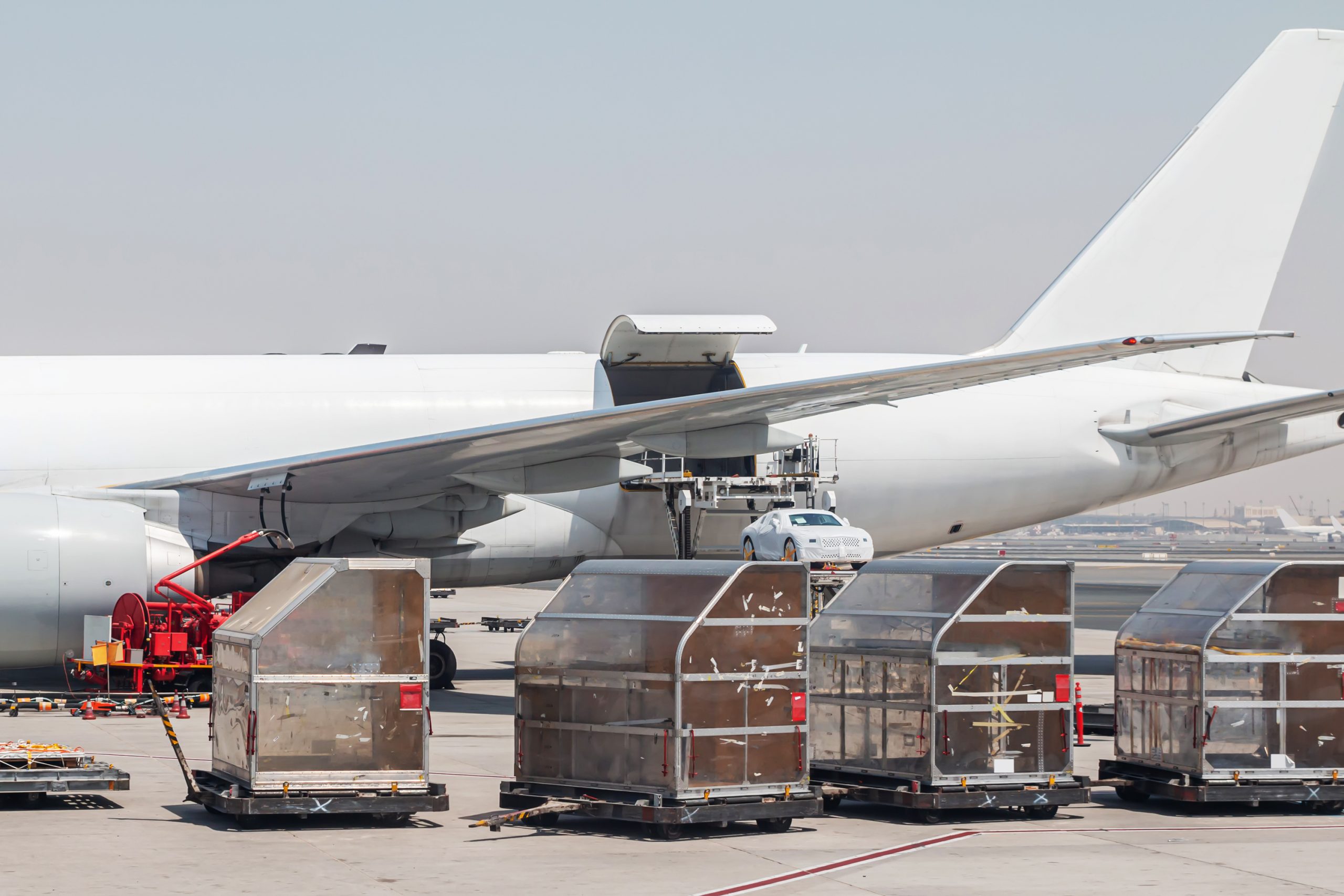
The perishable airfreight market is poised for rapid growth, with an anticipated compound annual growth rate (CAGR) of 8.5% over the next eight years. Despite a temporary slowdown during the COVID-19 pandemic, the sector is coming back strongly, with temperature-controlled cargo being an important segment of this cargo recovery since it represents around 16% of global volumes and is growing at 6% annually, making it the second-most dynamic cargo category in e-commerce.
In Africa, exports of perishable goods such as flowers and exotic fruits are boosting economic development. Notably, Kenya’s Flower Corridor project has enhanced capacity and growth in the flower export sector, contributing nearly €1 billion annually to the Kenyan economy. Similarly, LATAM Group has seen substantial increases in flower and cherry shipments, reflecting heightened consumer demand and seasonal peaks. In fact, according to LATAM cargo, “90% of the cherries were transported for Asia and Chinese New Year Celebrations, with a smaller portion directed to markets like the U.S. and Brazil”. Additionally, traditional perishables like fruits, vegetables, and flowers remain the foundation of perishable cargo volume, but there is a notable shift towards proteins and seafood, often classified as “luxury perishables”.
As Predrag Mladenovic, global head of perishables logistics at Air France KLM Martin Air Cargo, stated,” the main drivers for these trends are changes in consumer preferences and economic situation around the world”, besides the globalization of trade. Nevertheless, the development of the sector is not perfect. Key issues are overproduction, inefficiencies in storage and handling and sell-by dates. Addressing these factors is crucial for reducing food waste and fostering a more sustainable food system.
Bringer Air Cargo (BAC) addresses these problems with a comprehensive approach that includes advanced technology and dedicated staff training.
At Bringer Air Cargo, we are committed to addressing the unique challenges of handling perishable goods with a comprehensive approach that includes advanced technology and dedicated staff training. Our state-of-the-art cold chain solutions ensure that temperature-sensitive products are transported under optimal conditions, significantly reducing spoilage and waste. To support this, we invest in extensive training for our staff, equipping them with the latest techniques and best practices for managing perishable shipments effectively. By combining advanced cold chain technology with expert staff training, Bringer Air Cargo ensures that every perishable shipment is handled with the highest level of care and precision, such as flowers, exotic fruits and fish from Chile to Hong Kong.
Ramsay, Megan. “Air Cargo News Archive.” Air Cargo News, June 11, 2024, www.aircargonews.net/air-cargo-news-archive/
Related Articles
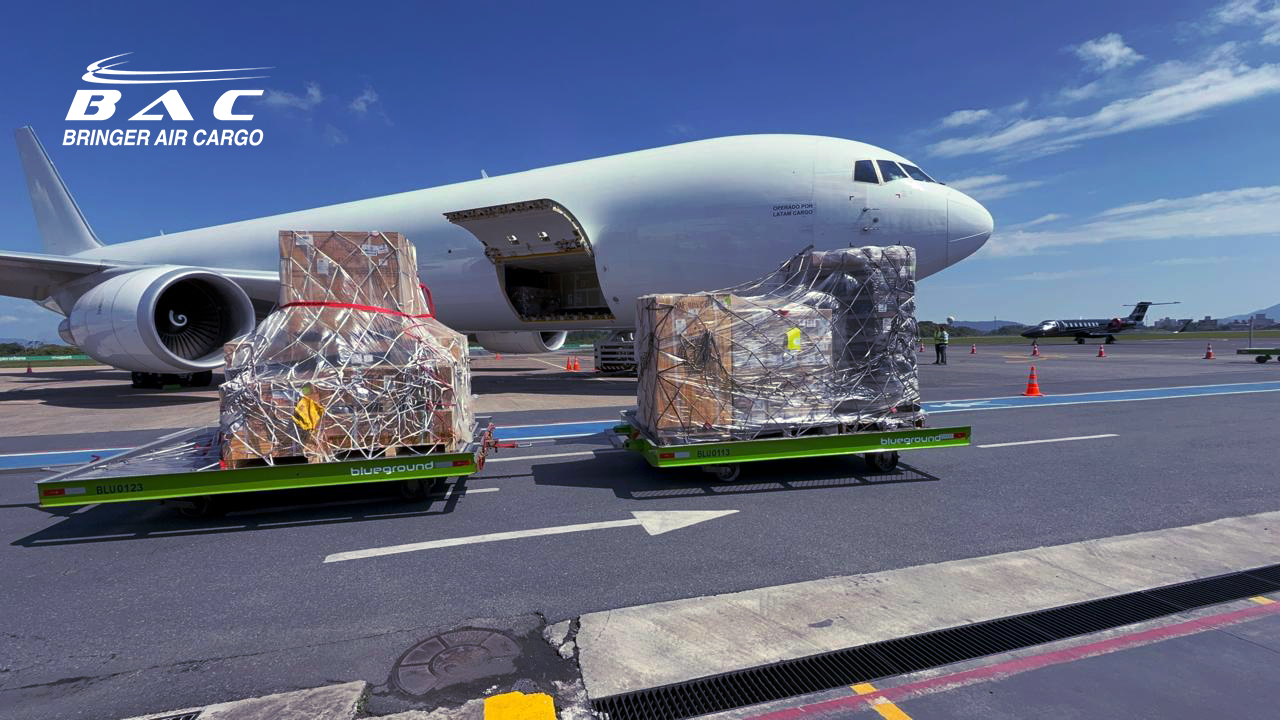
ANAC Approves Additional Bringer Air Cargo Flights to Navegantes (NVT)
DORAL, Fla. — Bringer Air Cargo (BAC) today announced that the Brazilian Federal Aviation Authority (ANAC) has granted additional flight frequencies for its cargo service between Miami International Airport (MIA) and Navegantes International Airport (NVT) in Santa Catarina, Brazil. This approval comes on the heels of BAC’s historic first direct wide-body freighter flight from Miami …
Read more →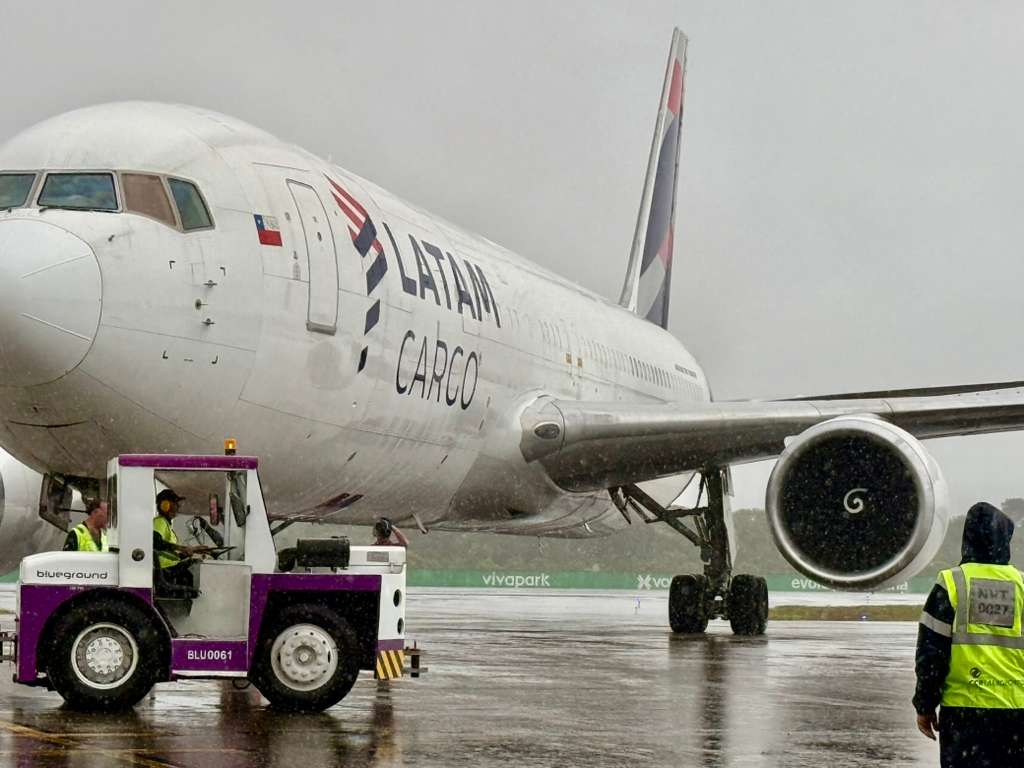
First Successful Flight: Miami (MIA) → Navegantes (NVT)
DORAL, Fla. – Bringer Air Cargo has once again made history—this time by operating the first international wide-body freighter to land directly at Navegantes Airport (NVT), one of Brazil’s most strategic import gateways. Located in the State of Santa Catarina, the region has become a powerhouse for industrial growth and a vital entry point for …
Read more →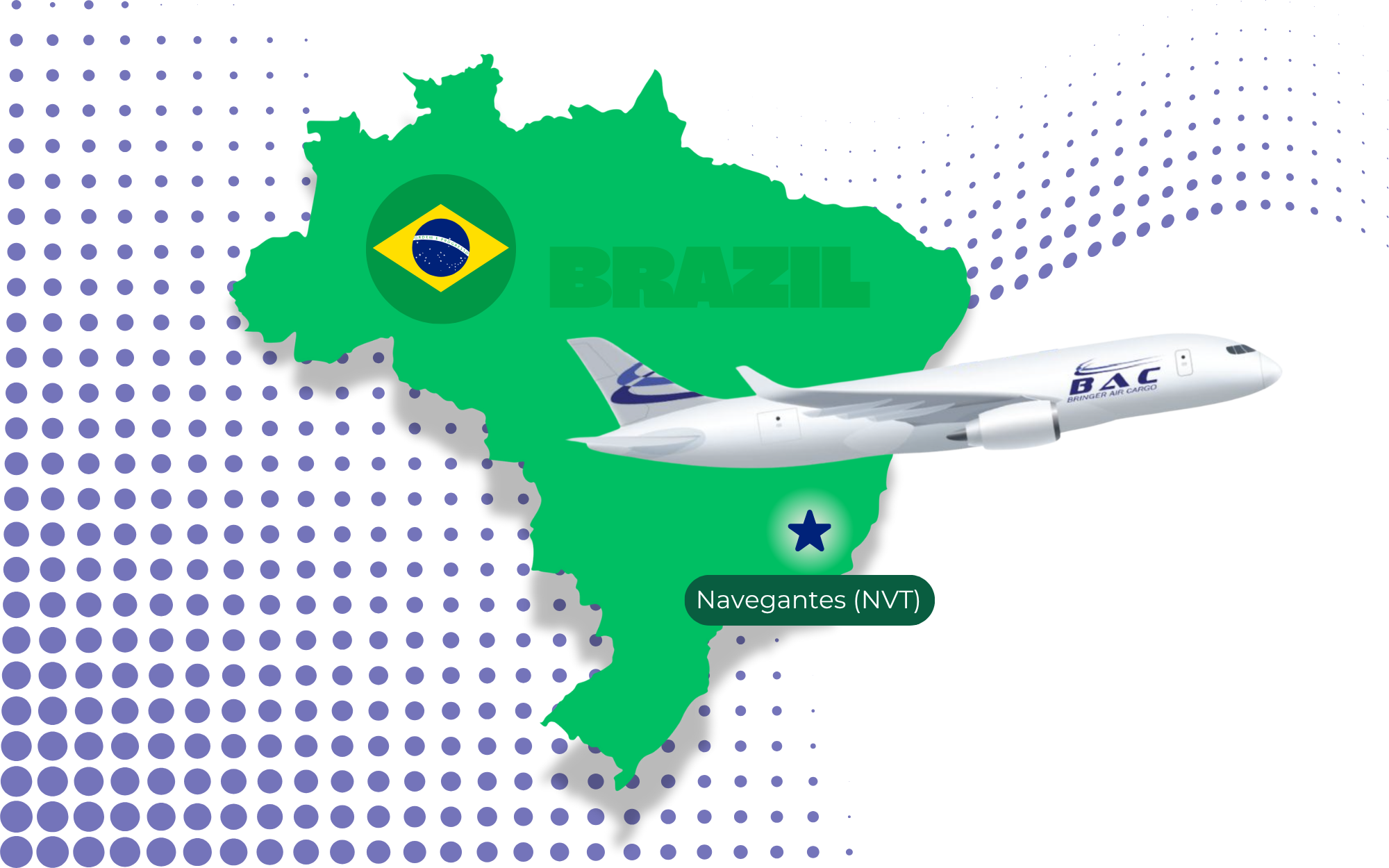
New Weekly Direct CAO Flight: Miami → Navegantes
Bringer Air Cargo is proud to announce our new weekly direct CAO flight from Miami (MIA) to Navegantes (NVT) in Brazil. This route opens up a streamlined, high-capacity cargo corridor, enabling U.S.–Brazil trade and e-commerce flows like never before. This expanded route strengthens our trans-Americas network and offers U.S. exporters and Brazilian importers a direct, …
Read more →