Tariff Changes in Mexico Reshape North American Supply Chains

Mexico’s recent tariff increases are expected to raise costs for companies importing goods into North America through the country. A presidential decree announced on December 19 introduces tariffs of 15% on imported textiles and up to 35% on finished apparel products, effective until April 2026.
New restrictions under the IMMEX program further tighten regulations. The program, which allows tax- and duty-free import of raw materials for export-only goods, now faces stricter oversight. Additionally, Mexico’s tax authority (SAT) imposed a 19% duty on courier-imported goods from countries without trade agreements with Mexico.
The measures aim to support Mexican manufacturers and curb “border-skipping,” where companies bypass tariffs on Chinese goods via nearshoring. However, these changes could force businesses to reconsider importing through Mexico, according to ITS Logistics.
“This creates immediate challenges for apparel brands, pushing them to explore alternative strategies, including reshoring operations in the US,” said Ryan Martin, ITS Logistics’ president of distribution and fulfillment. Martin noted a spike in inquiries from companies seeking customized distribution solutions and warehouse space in the US.
The tariff hikes coincide with US president-elect Donald Trump’s promise to impose steep tariffs—25% on imports from Mexico and Canada, and an additional 10% on Chinese goods. These measures, Trump claims, are intended to combat illegal immigration and drug trafficking.
For Bringer Air Cargo, these developments present both challenges and opportunities. As companies shift from nearshoring in Mexico to reshoring or exploring alternative logistics strategies, there is significant potential for Bringer to position itself as a key partner in navigating these disruptions. Effective communication is critical in educating clients about these changes, showcasing Bringer’s ability to provide tailored logistics solutions, and capturing new business from companies seeking efficient air cargo services to adapt to the evolving trade landscape. This moment underscores the importance of strategic agility and customer-focused service in securing Bringer’s role as a trusted logistics provider during this pivotal time.
Related Articles
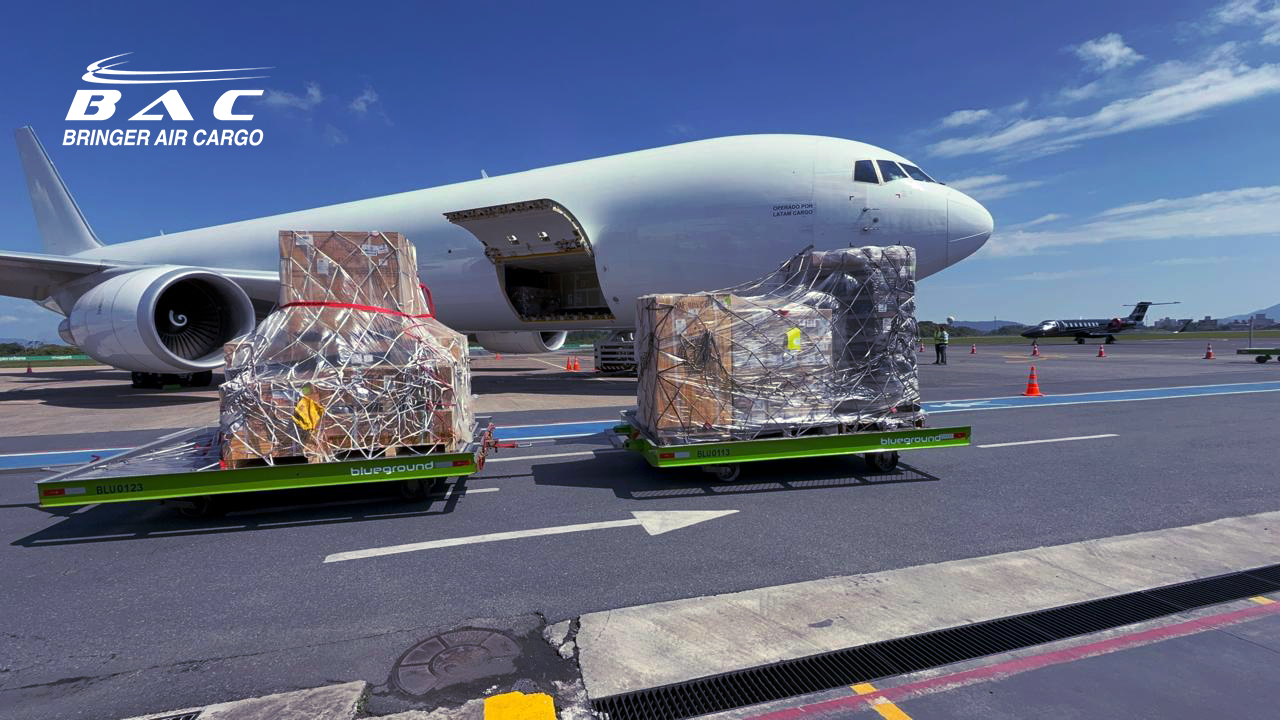
ANAC Approves Additional Bringer Air Cargo Flights to Navegantes (NVT)
DORAL, Fla. — Bringer Air Cargo (BAC) today announced that the Brazilian Federal Aviation Authority (ANAC) has granted additional flight frequencies for its cargo service between Miami International Airport (MIA) and Navegantes International Airport (NVT) in Santa Catarina, Brazil. This approval comes on the heels of BAC’s historic first direct wide-body freighter flight from Miami …
Read more →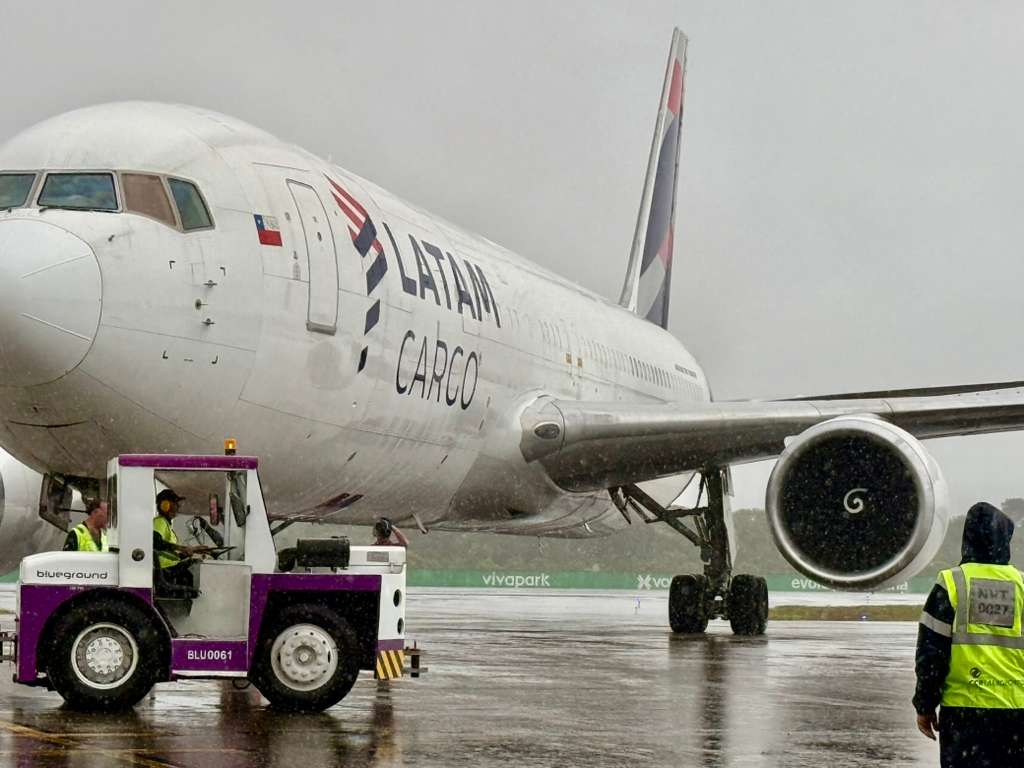
First Successful Flight: Miami (MIA) → Navegantes (NVT)
DORAL, Fla. – Bringer Air Cargo has once again made history—this time by operating the first international wide-body freighter to land directly at Navegantes Airport (NVT), one of Brazil’s most strategic import gateways. Located in the State of Santa Catarina, the region has become a powerhouse for industrial growth and a vital entry point for …
Read more →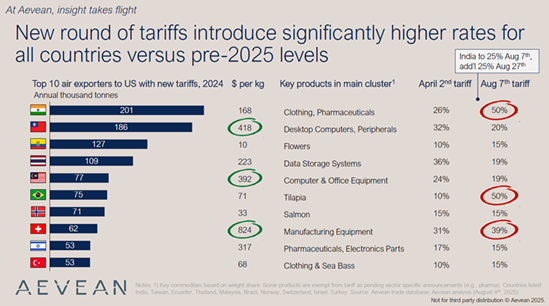
Air cargo operators are dynamically adjusting to the latest U.S. tariffs
The recent imposition of new U.S. tariffs is creating significant challenges for the air cargo industry, especially for goods coming from countries such as China. These tariffs have raised shipping costs, particularly for items like electronics, machinery, and other goods that were often transported by air due to the speed and efficiency of air freight. …
Read more →