U.S. Customs Changes: Implications for Cross-Border E-Commerce
Implications for Cross-Border E-Commerce
Recent adjustments to U.S. customs requirements have a direct impact on cross-border e-commerce. Starting April 13th, advanced presentation of low-value shipment data is required, potentially resulting in significant delays in shipments to the United States.
These changes imply that companies must adapt their processes to ensure timely and accurate submission of the data sets required by customs authorities. Non-compliance with these new requirements can lead to not only shipment delays but also penalties and financial damages.
Furthermore, the implementation of cargo messages to communicate with entry declarants in shipments with vague descriptions adds another layer of complexity for companies operating in cross-border e-commerce.
In summary, these U.S. customs changes demand a swift and effective response from companies to minimize impacts on their operations and uphold customer satisfaction in this competitive landscape.
Additionally, businesses must prioritize transparency and precision in their shipping data submissions. This includes providing comprehensive product descriptions and accurate HS codes. Visualizing how non-compliance with the new customs requirements can impact both businesses and end consumers, with packages being held up and extended delivery times, can further underscore the urgency of adapting swiftly and precisely to maintain efficiency in cross-border e-commerce, notwithstanding the challenges posed by the U.S. customs changes.
Related Articles
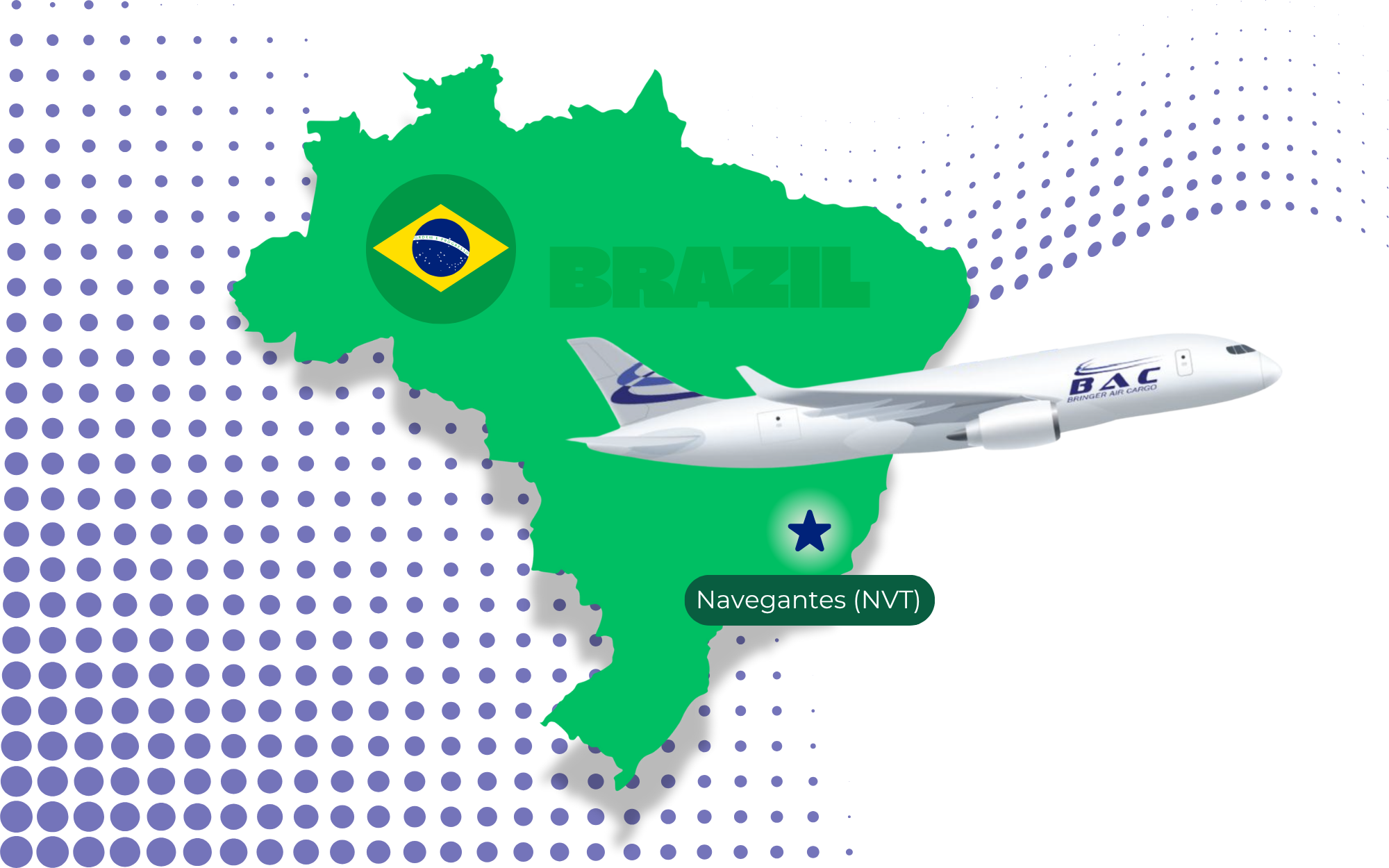
New Weekly Direct CAO Flight: Miami → Navegantes
Bringer Air Cargo is proud to announce our new weekly direct CAO flight from Miami (MIA) to Navegantes (NVT) in Brazil. This route opens up a streamlined, high-capacity cargo corridor, enabling U.S.–Brazil trade and e-commerce flows like never before. This expanded route strengthens our trans-Americas network and offers U.S. exporters and Brazilian importers a direct, …
Read more →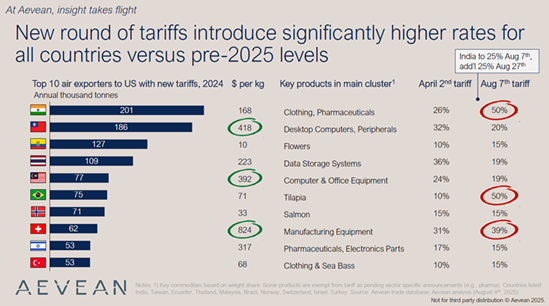
Air cargo operators are dynamically adjusting to the latest U.S. tariffs
The recent imposition of new U.S. tariffs is creating significant challenges for the air cargo industry, especially for goods coming from countries such as China. These tariffs have raised shipping costs, particularly for items like electronics, machinery, and other goods that were often transported by air due to the speed and efficiency of air freight. …
Read more →
Tariff Changes in Mexico Reshape North American Supply Chains
Mexico’s recent tariff increases are expected to raise costs for companies importing goods into North America through the country. A presidential decree announced on December 19 introduces tariffs of 15% on imported textiles and up to 35% on finished apparel products, effective until April 2026. New restrictions under the IMMEX program further tighten regulations. The …
Read more →